
Women in Data: Reflections on Neurodiversity, Masking and Psychological Safety.

A Moment to Reflect on the Women in Data Conference
I took a couple of days to reflect before writing this following the Women in Data conference in London.
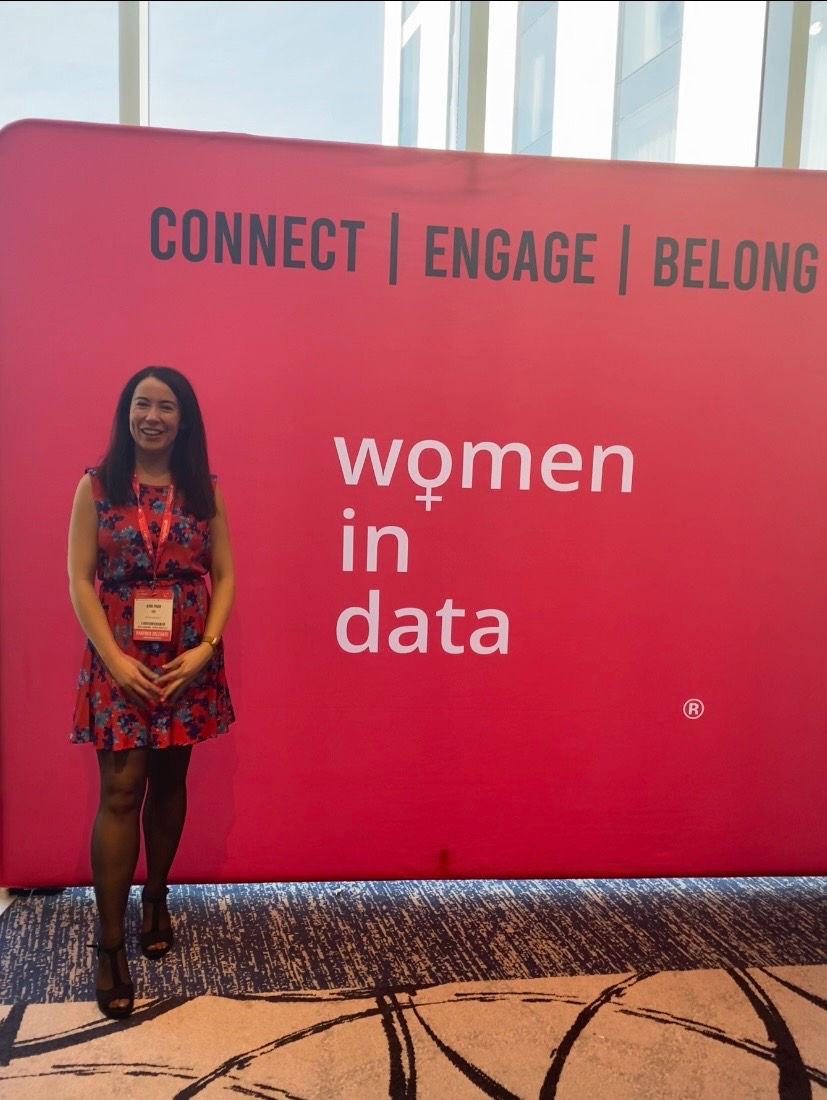
Events like this can easily become a highlight reel of inspiration. But what stayed with me most wasn’t just the celebration, it was the questions it raised.
I attended through a professional connection with Marion Shaw (Cencora), whose advocacy for inclusion within the tech sector continues to create meaningful opportunities for wider conversations. Through this connection, we’ve also begun early discussions around a research project exploring neurodiversity within data and technology roles, an area that remains significantly under-recognised.
I was also invited to attend the Women in Data gala in the evening, where Marion Shaw was recognised with the Role Model of the Year 2026 award.
A well-deserved recognition of her leadership and commitment to inclusion within the tech sector. I’ll be sharing a separate reflection on the gala shortly.

The day event brought together professionals and organisations shaping the future of data and technology, including Google Cloud, Lloyds Banking Group and the Information Commissioner’s Office. What stood out, however, was not just the technical expertise in the room, but the growing conversation around people, inclusion and psychological safety within high-performance environments.
Leadership, Purpose and Being a “Good Ancestor”
Another powerful moment came from hearing the Director of Technology at MI6, referred to as “Q.”
What stood out wasn’t just the scale or complexity of the work, but the clarity of purpose behind it, bringing together highly skilled teams to solve complex problems that genuinely impact the world we live in.
One phrase in particular stayed with me: the importance of striving to be a “good ancestor.”
It’s a simple but powerful idea, that the work we do today should meaningfully contribute to the world we leave behind.
Why This Matters: Investing in the Next Generation
For me, this directly links to why I founded Prior Mindset.
Much of my work focuses on supporting children and young people, not just to manage challenges in the present, but to build confidence, self-understanding and resilience that carries forward into adulthood.
Because when we invest in children, particularly those who think and experience the world differently, we are not just supporting individuals, we are shaping the future.
And perhaps that’s the point, whether in technology, clinical work or education, we are all, in different ways, contributing to the kind of future we leave behind.
The Gap Between Performance and Psychological Support
One insight that challenged my thinking was the gap between technical excellence and psychological support. There is a strong focus within data and AI spaces on performance, innovation and output. Yet far less attention is given to how individuals experience these environments, particularly those who may be neurodivergent.
Neurodiversity in Data and Technology Roles
From a clinical perspective, this is where things become particularly relevant.
Many of the strengths associated with neurodivergence, including pattern recognition, deep focus and systems thinking, align closely with roles in data and technology. And yet, the environments themselves are not always designed with those individuals in mind.
Women, Masking and Cognitive Load
Another observation that stood out was the experience of women in these spaces.
We know from both research and clinical practice that women are more likely to mask, particularly in professional environments. In high-performance sectors such as tech, this can come at a cost, increased cognitive load, burnout, and a delayed understanding of their own neurodivergent profile.
This raises important questions around psychological safety.
Not just whether individuals can perform, but whether they can do so without having to constantly adapt or conceal aspects of how they think and process the world.
The Legacy of Dame Stephanie Shirley
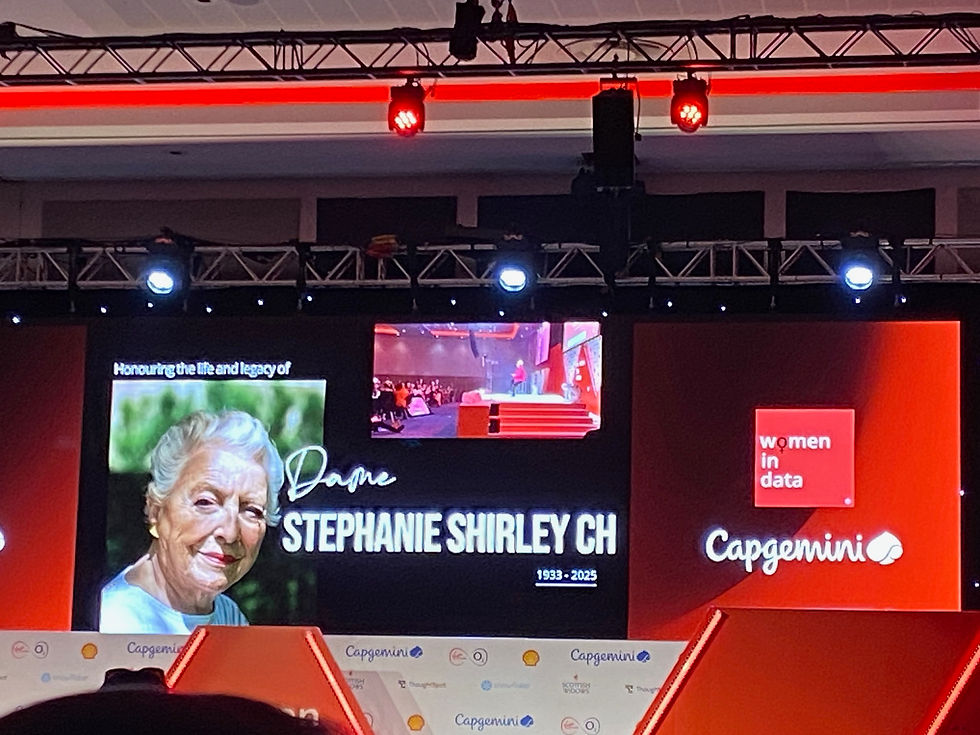
A particularly powerful moment for me was hearing more about the legacy of Dame Stephanie Shirley. A true pioneer in technology, she founded one of the first software companies in the UK at a time when women were largely excluded from the industry. She built a business that actively created opportunities for women, many of whom worked from home long before flexible working became mainstream.
Her advocacy became even more personal following her son’s autism diagnosis.
This led her to invest significantly in autism research and charities, including supporting organisations such as Autistica, and to champion greater understanding and opportunity for neurodivergent individuals.
What stood out most to me, was not just her success, but what she chose to do with it. She gave away a substantial portion of her wealth to causes she believed in, stepping away from the rich list in the process.
For me, this was a powerful reminder that meaningful change in tech has never just been about innovation or performance. It has been driven by individuals willing to challenge norms, create opportunities and invest in people who are often overlooked.
This is also closely aligned with the work I do through Prior Mindset.
In clinical practice, I regularly work with children and adults who have moved through education and workplace systems feeling misunderstood, often working significantly harder without the right support in place.
Prior Mindset was founded to provide longer-term, evidence-based support that focuses on building confidence, developing practical strategies and improving self-understanding. The aim is to help individuals feel more balanced, capable and supported, rather than feeling they need to constantly adapt to environments that were not designed with them in mind.
Attending Women in Data reinforced the importance of continuing this work, not only at an individual level, but also within wider systems, workplaces and leadership spaces.
There is a clear opportunity to better understand how neurodiversity presents within data and technology roles, and to ensure that environments evolve alongside the talent within them.
It was also lovely to reconnect with Joanna Hutchinson, Chief Data Officer at BAE Systems.
Having known each other for some time, it was great to continue conversations around supporting neurodivergent individuals within the workplace, including the importance of inclusive practices and reasonable adjustments.

Supporting Neurodiversity in Practice
At Prior Mindset, this is not just a theoretical conversation, it is reflected in the day-to-day clinical work we provide.
We offer neurodiversity coaching for children, young people and adults, alongside post-diagnostic support for individuals with ADHD and Autism. The focus is on building confidence, strengthening social and communication skills, and developing practical strategies to support emotional regulation, executive functioning and interpersonal relationships.
This includes adapting evidence-based approaches such as CBT to better suit neurodivergent thinking styles, incorporating nervous system regulation, behavioural strategies and real-life application through role play and guided practice.
Alongside direct support, Prior Mindset provides a growing library of free, evidence-informed resources for parents, young people and professionals. These resources are designed to increase understanding of neurodiversity, support emotional wellbeing, and offer practical tools that can be used both at home and in educational or workplace settings.
If you would like to learn more about neurodiversity coaching or access free resources, you can explore this here: www.priormindset.com/resources


Comments